


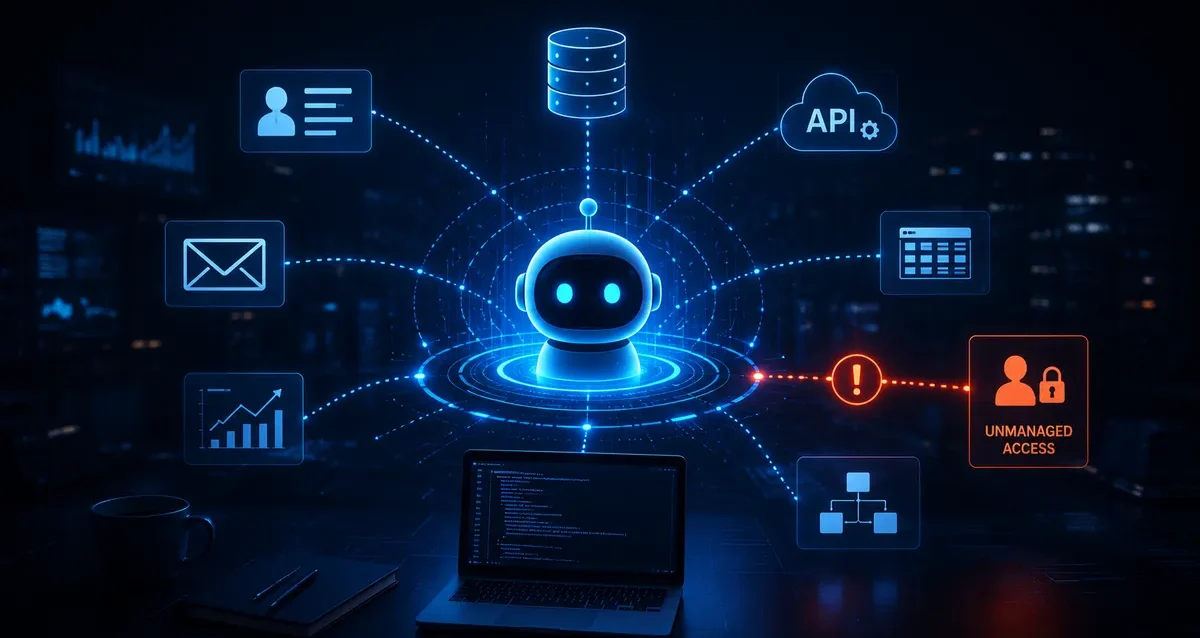
Shadow AI Security is becoming a critical concern as autonomous AI agents gain direct access to business systems, data and APIs. Security teams have invested years in securing unsanctioned SaaS and addressing risks from employees sharing sensitive data with tools like ChatGPT. Now, a new and less visible threat has emerged: agents that can make decisions and interact with systems without security approval.
This is not an employee opening a browser tab. It is a piece of software that can read a database, trigger a workflow or call another agent—all on its own and potentially outside your existing logs.
Key takeaways
- Shadow AI is AI tools, integrations, and autonomous agents operating without formal visibility, approval, or governance from security and IT teams.
- Unlike earlier shadow IT, agents hold credentials, act continuously, connect to other systems, and can outlive their owner.
- Discover, assess, and govern agents as non-human identities, and include them in regular access reviews.
- Visibility must catch up with adoption.
Understanding Shadow AI Security and Autonomous Agents
Shadow AI refers to AI tools, integrations and autonomous agents that operate without formal visibility, approval or governance from security and IT teams.
Shadow IT usually means an unapproved application. Shadow AI agents are a step further: they are unapproved actors with credentials, permissions and the ability to act autonomously.
A marketing team might spin up an agent to retrieve customer data and draft personalised outreach. A developer might integrate an agent into a CI/CD pipeline to auto-triage bugs. Neither may go through a security review because, in many organisations, there is no clear process requiring them to.
The scale of this gap is significant. According to Gravitee’s State of AI Agent Security 2026 report, only 24.4% of organisations claim to have full visibility into agent-to-agent and agent-to-system activity. That means roughly three out of four security teams cannot say with confidence what their AI agents are doing or whom they are communicating with.
What Makes Agents Different from Previous Shadow IT
AI agents introduce risks that are different from earlier waves of shadow technology.
- Agents act continuously, not only when a human opens an application.
- They can connect to other agents and systems, multiplying the potential blast radius.
- Their API keys and permissions may outlive the project that originally created them.
- They may continue operating without a clearly assigned owner.
- Their actions may not appear in monitoring tools designed primarily for human users and traditional applications.
Traditional shadow IT processes data. Shadow AI agents can also make decisions and take action based on it.
The Cost of Not Knowing
Lack of visibility can have significant financial and operational consequences.
IBM’s Cost of a Data Breach findings, referenced in the Gravitee report, indicate that breaches involving shadow AI agents cost organisations an average of $670,000 more than breaches without an AI component.
This additional cost results partly from delayed detection and response. When an organisation is unaware that an agent exists, security teams cannot monitor its activity, revoke its access promptly or provide investigators with a complete picture of the systems and data involved.
More than 88% of organisations report having experienced an AI agent security incident, making this a tangible operational risk rather than a theoretical future concern.
When an Agent Outlives Its Owner
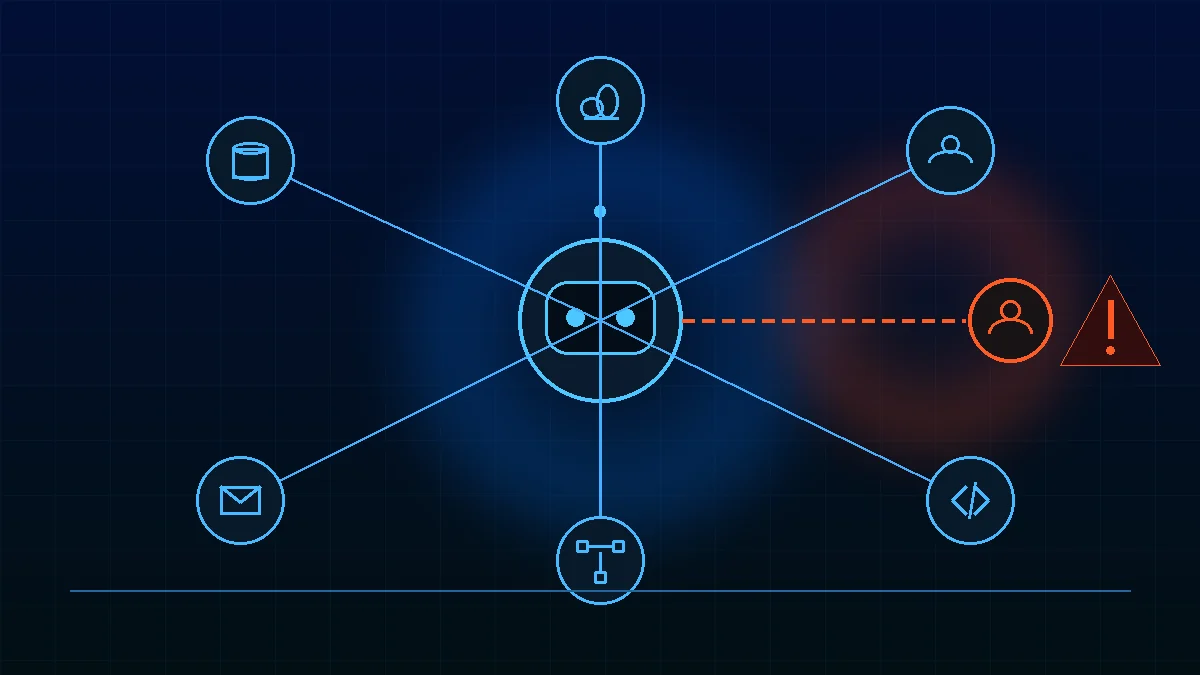
Consider a finance team that creates an agent to reconcile vendor invoices, granting it read access to the ERP system and email.
The agent performs a legitimate business task, but the project may never pass through a formal security review. If the project owner later leaves the organisation, the agent may continue operating with unrotated credentials and unreviewed activity.
The result is a privileged entity that remains active without oversight—similar to an access badge that is never deactivated, but with the additional ability to read information and trigger actions across connected systems.
This type of agent may retain:
- Access to financial data
- Permission to read shared mailboxes
- API connections to business applications
- Stored credentials
- Access to downstream workflows
- The ability to operate without direct human supervision
The Executive-Reality Gap
A critical finding from the Gravitee report highlights a clear perception gap.
While 82% of leaders express confidence in their organisation’s protection against AI agent risks, only around 14% of agents are deployed with full security and IT approval.
This reveals a significant difference between executive confidence and actual operational oversight.
It is similar to the early days of shadow IT and shadow SaaS, when leaders believed existing controls were sufficient, only to discover large numbers of unsanctioned tools during audits.
A policy alone does not provide visibility. Organisations must also be able to identify which agents exist, what they can access and whether their behaviour remains within the approved purpose.
Bringing AI Agents into Existing Security Controls
Closing this gap does not necessarily require a completely new security programme. An effective Shadow AI Security strategy can build on the identity, SaaS governance and shadow IT controls that security teams already use.
Agent discovery and governance are natural extensions of the SaaS, identity and shadow IT discovery work that most security teams already perform.
Organisations can begin by applying three familiar principles.
Discover
Treat agents like any other unmanaged application or non-human identity.
Identify which agents are operating, who created them, what business purpose they serve and which systems they can access.
Assess
Review the permissions, API scopes, credentials and data sources associated with each agent.
Determine whether access is appropriate for the agent’s intended purpose and whether the organisation can observe its actions.
Govern
Require the same approval trail for an agent’s launch that would be expected for a new SaaS purchase or business application.
Every agent should have a named owner, approved access, monitoring requirements and a defined decommissioning process.
Expanding Access Reviews Beyond Human Accounts
Most organisations already perform regular access reviews for employees, contractors and administrators.
These reviews should now include:
- AI agent credentials
- API keys
- Service accounts
- Agent-to-agent connections
- Third-party AI integrations
- Data access permissions
- Automation platforms
- Model and tool access
- Ownership and lifecycle status
Agent access should be reviewed regularly, not only when the agent is first deployed.
Permissions that are no longer needed should be removed, and credentials should be rotated or revoked when projects end or ownership changes.
Building Visibility Across the Agent Estate
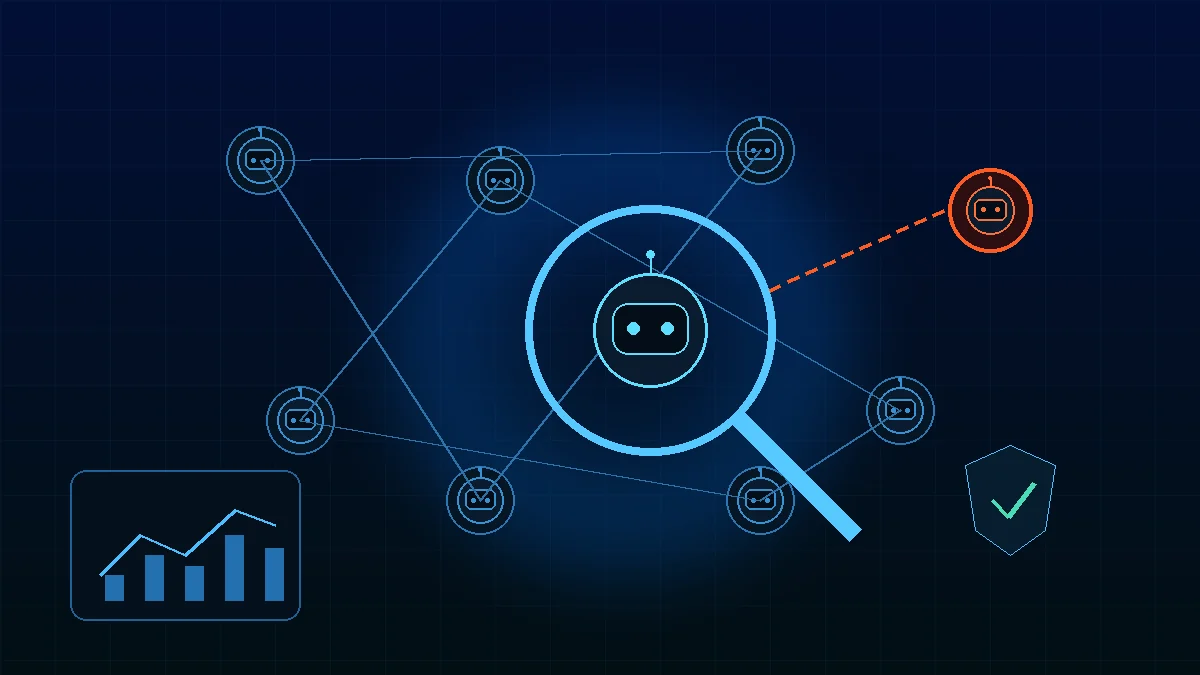
Security teams need to be able to answer several basic questions:
- Which AI agents are operating in the organisation?
- Who owns each agent?
- What data can each agent access?
- Which APIs and business systems are connected?
- Can the agent trigger workflows or make changes?
- Is the agent communicating with other agents?
- Where are its credentials stored?
- Can its access be revoked immediately?
- Is its activity visible in existing security logs?
- What happens when the project or owner changes?
If these questions cannot be answered, the organisation has an AI agent visibility gap.
How CyberCyte Supports Shadow AI Security and Discovery
CyberCyte helps organisations strengthen their Shadow AI Security posture by extending existing exposure-management and shadow IT practices to include emerging AI agent risks.
By improving visibility across applications, identities, credentials, integrations and access paths, CyberCyte can help security teams identify conditions associated with unmanaged AI activity.
These may include:
- Unknown AI integrations
- Unmanaged API connections
- Exposed or outdated credentials
- Over-privileged service accounts
- Unauthorised access paths
- Missing monitoring controls
- Unreviewed third-party connections
- Gaps between approved policies and actual technical activity
The goal is not simply to block AI adoption. It is to ensure that organisations understand which agents are operating, what they can access and how their activity is being governed.
Visibility Must Catch Up with Adoption
Shadow AI Security must catch up with the rapid adoption of autonomous agents. These agents have emerged faster than many organisations’ visibility, governance and access-control processes can adapt.
The underlying security principles are familiar: discover what exists, understand the risk, assign ownership and apply appropriate controls.
Organisations that proactively integrate AI agent discovery into existing shadow IT, SaaS governance and access-review programmes will be better positioned to manage these risks.
Those that wait for an incident may only discover which agents were operating after sensitive data has been accessed, credentials have been misused or unauthorised actions have already taken place.
Do You Know Which AI Agents Are Operating in Your Environment?
Do not wait for an incident to identify which AI agents are operating across your systems.
CyberCyte can help your organisation identify shadow AI exposure, review agent-related access paths and uncover unmanaged identities, APIs and integrations that may be missed by traditional security controls.
Contact CyberCyte to discuss shadow AI discovery and schedule a 15-minute walkthrough with our team.
Frequently Asked Questions About Shadow AI Security
What is Shadow AI Security?
Shadow AI Security refers to the discovery, assessment and governance of AI tools, integrations and autonomous agents operating without full visibility or formal approval from security and IT teams.
How are shadow AI agents different from traditional shadow IT?
Traditional shadow IT usually involves an unapproved application. Shadow AI agents may also hold credentials, access APIs, make decisions, trigger workflows and communicate with other systems without continuous human involvement.
What security risks can unmanaged AI agents create?
Unmanaged agents may expose sensitive information, retain excessive permissions, use outdated credentials, access unauthorised systems, trigger unintended actions or continue operating after their original owner or project is no longer active.
How can organisations discover shadow AI agents?
Organisations should review AI integrations, service accounts, API keys, automation platforms, identity records, application connections and security logs. Every identified agent should be linked to a business purpose, a named owner and approved permissions.
Should AI agents be included in access reviews?
Yes. AI agent credentials, service accounts, API scopes, data permissions and agent-to-agent connections should be reviewed regularly. Access should be reduced, rotated or revoked when it is no longer necessary.
How can CyberCyte support Shadow AI Security?
CyberCyte can help organisations improve visibility across applications, identities, credentials, integrations and access paths. This supports the discovery of unmanaged AI activity, excessive permissions, unknown connections and gaps between security policies and actual technical behaviour.